
Winter Home Maintenance Tips to Avoid Costly Damage
Winter weather can put a home to the test with freezing temperatures, snow, ice, and strong winds. Although no homeowner can prevent the weather, preparing before conditions turn severe can lower the chance of property damage, costly repairs, and unexpected homeowners insurance claims.
Seasonal upkeep is easy to postpone, yet a few timely tasks can make a real difference. Two in five homeowners say they have not taken measures to protect their property from extreme weather within the past five years. With the average yearly cost to own and maintain a single-family home now exceeding $18,000, simple preventive maintenance is a practical way to help protect a significant investment.
Have Your Heating System Checked
Your heating system takes on some of its heaviest use during winter. Arranging an inspection before cold weather sets in can help confirm that the system is operating efficiently and uncover smaller concerns before they turn into larger, more disruptive problems.
A professional can identify mechanical issues or efficiency concerns early, which may help reduce the risk of losing heat during the coldest part of the season. If your home has an older thermostat, consider replacing it with a programmable or smart model. Maintaining a more consistent indoor temperature can support energy efficiency and may help manage heating costs.
Take Steps to Prevent Frozen Pipes
Frozen plumbing pipes are among the most frequent and costly causes of winter-related home damage. When water freezes, it expands and builds pressure inside the pipe. That pressure can cause plumbing to crack or burst, and one burst pipe may release hundreds of gallons of water per hour before it is noticed.
Insulating exposed pipes is one straightforward way to help reduce the risk. Pay close attention to plumbing in unheated locations, including basements, garages, crawl spaces, and attics. It is also important to keep the temperature inside your home at 65°F or higher, including when you will be away for an extended time. A steady indoor temperature can help protect pipes during a cold spell.
Check Smoke and Carbon Monoxide Detectors
Because heating equipment is used more often in winter, household safety deserves extra attention. Heating systems are among the leading causes of home fires during colder weather, making working smoke detectors and carbon monoxide detectors especially important.
Before winter arrives, test every detector in the home. Replace batteries as needed and make sure each device is functioning as it should. This brief safety check can provide meaningful protection for your household throughout the season.
Clear Gutters and Downspouts
Autumn leaves, twigs, and other debris can build up quickly in gutters. Once winter rain, snow, and ice arrive, clogged gutters can keep water from draining as intended. Water may back up onto the roof or pool near the foundation instead.
Cleaning gutters and downspouts before freezing temperatures begin helps water move away from the home. This routine maintenance can lower the risk of water intrusion and help safeguard the roof and foundation from avoidable damage.
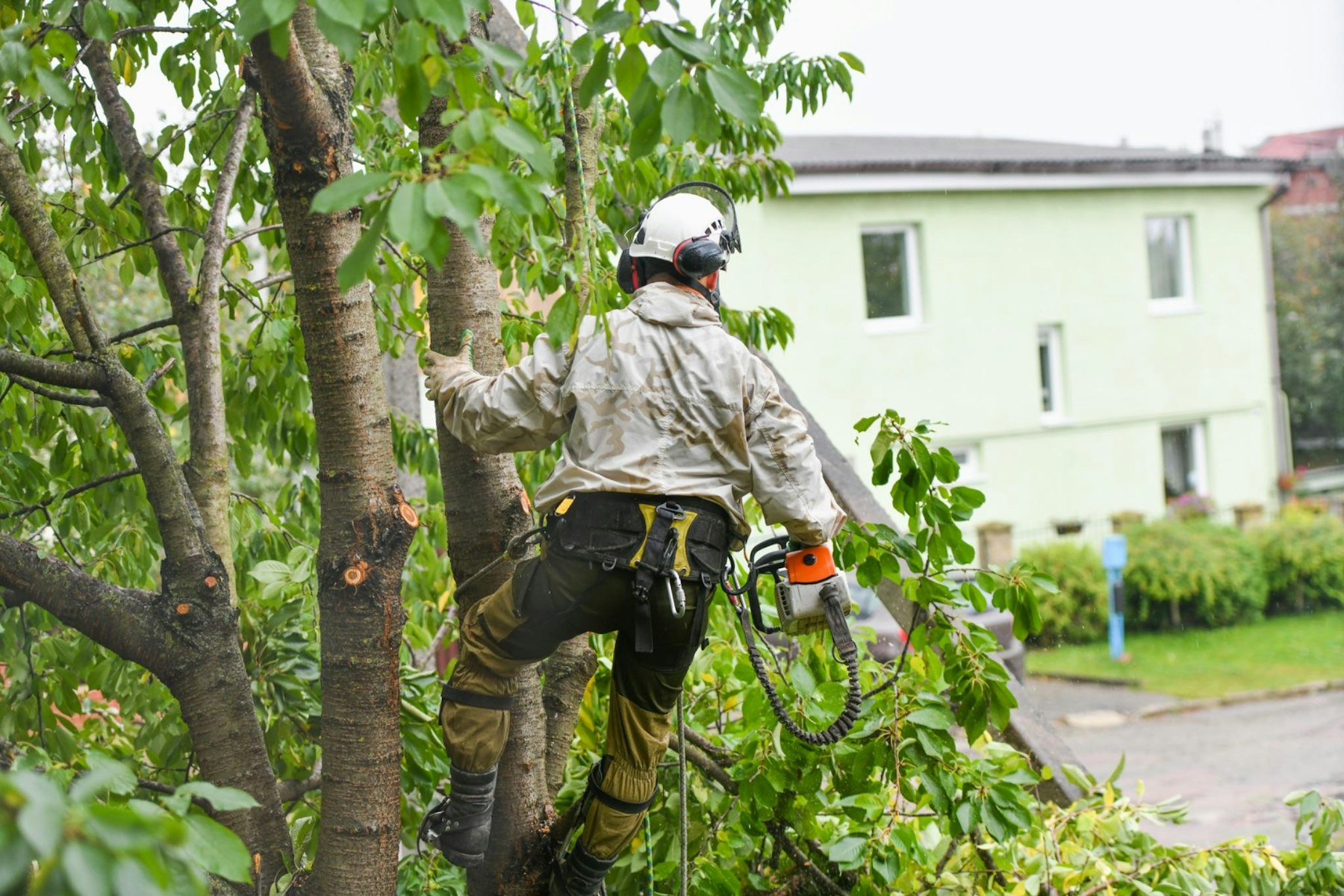
Prune Problem Branches Before Storms
Trees can enhance a property, but weak, dead, or overhanging limbs may become a danger in winter weather. Snow, ice, and high winds add weight and strain to branches, increasing the chance that they will break and damage a roof, siding, fence, vehicle, or another structure.
Removing dead or compromised branches before winter storms develop can help limit those hazards. Regular pruning can also encourage healthier growth and make ongoing property maintenance more manageable throughout the year.
Preventive Care Can Help Avoid Larger Costs
Winterizing a home does not need to mean taking on expensive renovations or large projects. Addressing a few key maintenance items can help reduce the likelihood of common cold-weather issues while protecting one of your most valuable assets.
A heating inspection, pipe insulation, detector testing, gutter cleaning, and trimming hazardous branches are all practical ways to prepare for winter conditions. These tasks generally require far less time and expense than responding to damage after it occurs, while offering added peace of mind throughout the season.
If you would like help reviewing how your homeowners insurance coverage may respond to winter-related risks, contact Choices Insurance. Our team can help you review your protection and approach the season with greater confidence.