
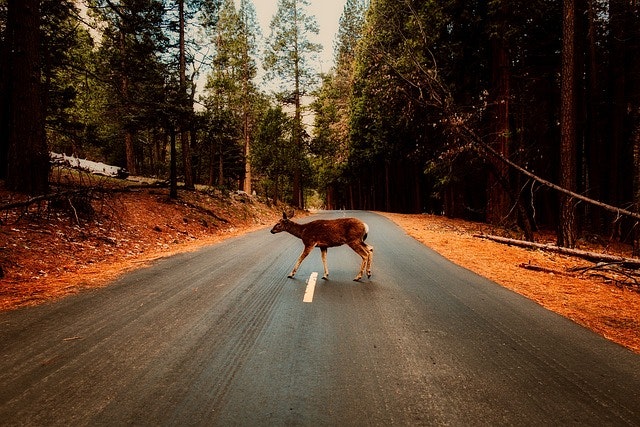
Deer Collision Season: Essential Safety Tips
As the vibrant colors of fall surround us, it's easy to get lost in the beauty of the season. Yet, it's crucial to be aware of the hidden dangers that accompany these months, particularly the spike in deer-related accidents. With over $1 billion spent annually and average repair costs soaring to about $3,000 per incident, the financial impact is as daunting as the potential for injury. Fortunately, there are proactive steps you can take to safeguard yourself and your vehicle during the high-risk periods from October to December.
Be Mindful of Peak Activity Hours
Deer are most active during the afternoon and can be hard to spot at dawn and dusk. Exercise heightened caution when driving at these times, especially on rural roads or in wooded areas.
Look for More Than One
If a deer crosses the road in front of you, slow down immediately and stay vigilant. Deer often travel in groups, and there's a good chance others will follow closely behind.
Use Your High Beams Wisely
When driving at night, use your high beams to increase visibility whenever there's no oncoming traffic. This can help you see a deer's reflective eyes from a greater distance.
Know When Not to Swerve
If a deer suddenly appears in your path, it's safer to brake firmly and stay in your lane. Swerving can cause more severe accidents involving other vehicles, trees, or guardrails.
Heed the Signs
Deer crossing signs are strategically placed in high-traffic areas. Reducing speed in these zones gives you more time to react to sudden appearances of deer.
Use Your Seat Belt
Wearing your seat belt substantially lowers the risk of serious injury should a collision occur.
If a Collision Occurs, Take the Proper Steps
Move your vehicle to a safe location and activate your hazard lights after a collision. Avoid approaching the animal, call the police, and contact your insurance provider to report the incident.
Deer collisions are a serious seasonal hazard but can be significantly mitigated with caution and preparedness. Stay alert and treat every rural road or wooded stretch as a potential risk zone. For questions about your auto insurance coverage, especially regarding deer-related accidents, don't hesitate to contact our office.