
Back-to-School Traffic Safety Tips for Families and Drivers
The shift from summer to the school year always brings noticeable changes on the road. As traffic increases and school zones become active again, understanding how to navigate these conditions is essential. National Traffic Awareness Month in August serves as a timely reminder for everyone to slow down, stay alert, and adopt safer habits during this busy transition.
This season introduces more pedestrians, school buses, cyclists, and new drivers to daily routes. With so many moving pieces at once, awareness and caution help keep communities safer. By making small, intentional adjustments, drivers and families can reduce risks and approach the school year with greater peace of mind.
Why the Start of School Brings Higher Traffic Risks
When students return to campus, roads that were quiet just weeks earlier become crowded again. Families rushing to drop off children, teens driving themselves to school, and more kids walking or biking all contribute to an uptick in activity. These changes create more unpredictable situations, especially during morning and afternoon school hours.
Drivers may encounter sudden stops near crosswalks, unexpected foot traffic, and congestion around school entrances. Younger children, who may not fully grasp traffic patterns, can accidentally step into the road or behave unpredictably. Being aware of these seasonal shifts helps reduce the chances of collisions and keeps school zones safer for everyone.
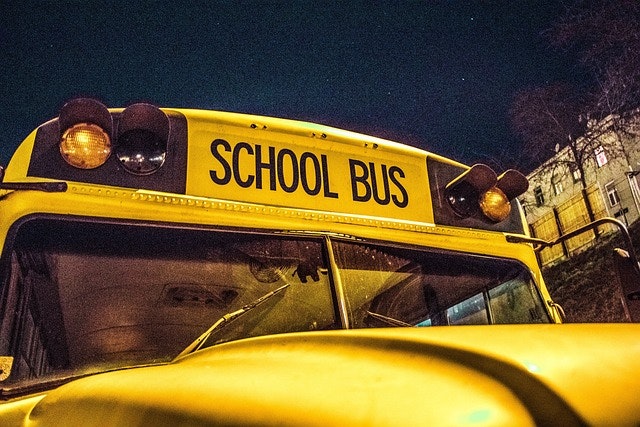
Being Mindful Around School Buses
School buses are a vital part of the everyday school routine, and they require extra space and consideration from nearby drivers. The most dangerous areas for students are within 10 feet of a bus, as children may be walking to board or stepping off the vehicle.
Allowing ample room behind a bus gives drivers more time to react when the bus slows or stops. Children may dart across the street without warning or appear suddenly from behind the bus itself. Watching for flashing lights and preparing to stop helps prevent avoidable accidents.
Patience is key. Giving buses priority not only keeps students safe but also ensures smoother traffic flow during school commute hours.
Sharing the Road With Walkers and Cyclists
Once school begins, far more children are walking or biking through neighborhoods and near school grounds. Because young pedestrians may misjudge vehicle distance or speed, drivers must remain especially cautious.
Yielding at crosswalks, pausing for pedestrians, and waiting behind stopped vehicles ensure that everyone crossing the road stays safe. Cyclists—particularly kids learning to ride to school—can also be unpredictable. They may emerge suddenly from driveways or zip around parked cars without looking.
Small safety habits make a big difference. Checking mirrors for cyclists before opening a car door can prevent serious injuries. Remaining attentive while driving near sidewalks or bike lanes fosters a safer environment for both children and adults.
Improving Drop-Off and Pick-Up Habits
School drop-off and pick-up zones often become congested and stressful. Following the procedures set by each school helps reduce confusion and keeps traffic moving efficiently.
When families stick to the established process—such as using designated loading zones and avoiding unauthorized stopping areas—it becomes easier for everyone to anticipate traffic patterns. This consistency lowers the risk of accidents and supports a safer environment for children entering or leaving school grounds.
Parents and caregivers can make a big impact simply by arriving a few minutes earlier, staying patient, and following posted instructions. These small choices support a more organized and safer routine for everyone involved.
Showing Children How to Stay Safe Near Roads
While drivers must stay attentive, it's equally important to teach children how to move safely around traffic. Younger kids—especially those under 10—benefit from adult supervision since they often underestimate road dangers.
Encouraging children to stop, look both ways, and listen for oncoming cars builds foundational safety skills. Using crosswalks helps keep them visible to drivers, and modeling safe behavior reinforces lifelong habits.
Protective equipment is also crucial. Helmets, knee pads, and other gear add a layer of protection for kids riding bikes or scooters. Reducing distractions, like phones or earbuds, helps them remain aware of their surroundings.
These lessons not only keep them safer now but also prepare them to make responsible decisions as they grow and eventually navigate roads on their own.
Everyone Plays a Part in Road Safety
Creating safer streets during the school season requires cooperation among drivers, families, and students. Each group contributes to reducing risks by staying focused, obeying traffic laws, and paying close attention to school zone signs and pedestrian activity.
Even simple adjustments—like driving more slowly through neighborhoods or double-checking crosswalks—can prevent accidents. These mindful habits reflect a shared commitment to protecting students and supporting safer communities.
As routines shift and traffic increases, taking proactive steps ensures that everyone can navigate the season confidently and safely.
Preparing for a Safe School Year
Although the back-to-school period brings more traffic and potential hazards, awareness and preparation can make the transition smoother. Families and drivers who remain mindful of their surroundings and prioritize safety help create an environment where students feel secure.
If you have questions about road safety, traffic-related concerns, or ways to protect your family, reaching out for expert support can offer clarity. Taking the time to stay informed helps ensure a safer, more confident start to the new school year.